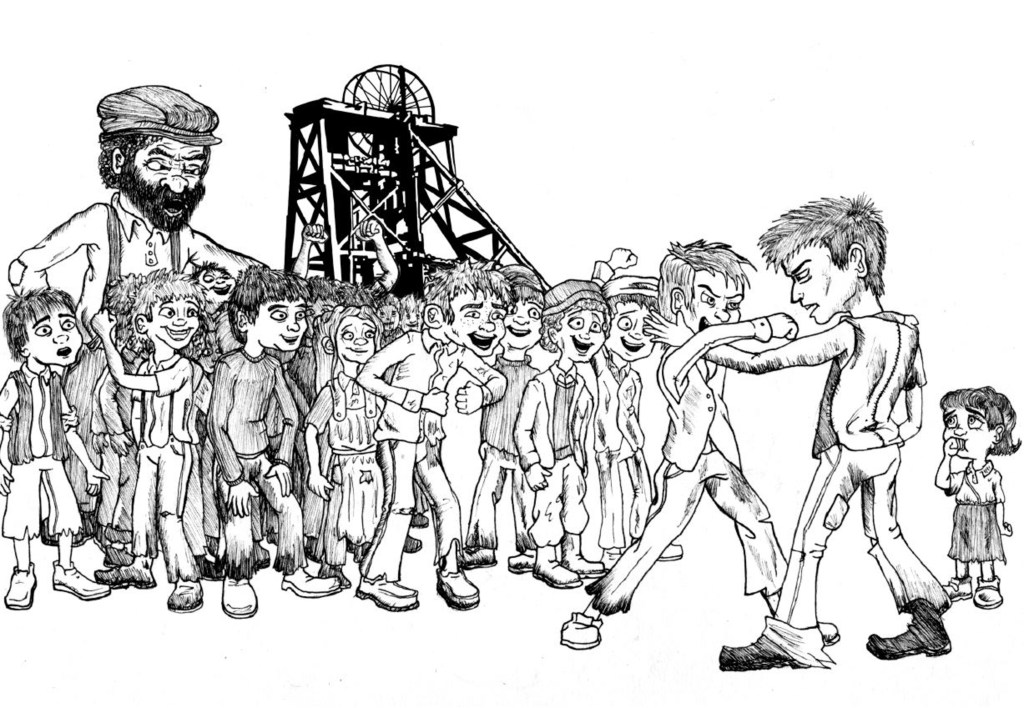
Victorian coal mines were dark, dangerous places where thousands of people worked—including children. During the Industrial Revolution, coal was essential for powering factories, trains, and homes. This meant demand for coal was very high, and mines needed as many workers as possible.
What were Victorian coal mines like?
Coal mines were usually underground. Workers travelled down deep shafts using lifts or ladders. Inside, the tunnels were narrow, poorly lit, and filled with dust. The air was often difficult to breathe.
There were no modern safety systems, so accidents were common.
Why did children work in mines?
Many families were very poor, and children were expected to help earn money. Children were paid less than adults, so mine owners preferred to employ them.
Jobs children did
- Trapper: Opened and closed ventilation doors
- Hurrier: Pulled carts of coal through tunnels
- Drawer: Helped move coal using carts
These jobs were physically demanding and often dangerous.
Dangers of working in mines
Children faced many risks:
- Falling rocks
- Explosions caused by gas
- Lung disease from coal dust
- Injuries from heavy carts
When did child labour in mines stop?
The Mines Act of 1842 made it illegal for women and boys under 10 to work underground. However, older children continued to work in mines for many years.
Why is this important?
Learning about Victorian coal mines helps us understand how life has changed and why child labour laws exist today.


Leave a Reply